
As designers, some projects stay with you not because of the budget, but because of the creativity they demand. This project was one of those.
What started as a former nail salon became a vibrant dessert shop filled with personality, warmth, and a strong brand identity. The challenge wasn’t just designing a retail space—it was creating an experience on a very limited budget while working with a difficult triangular floor plan.
This project was particularly special because the client was a friend. That meant every design decision carried even more responsibility. We weren’t just creating a shop; we were helping build a dream.
The Challenge
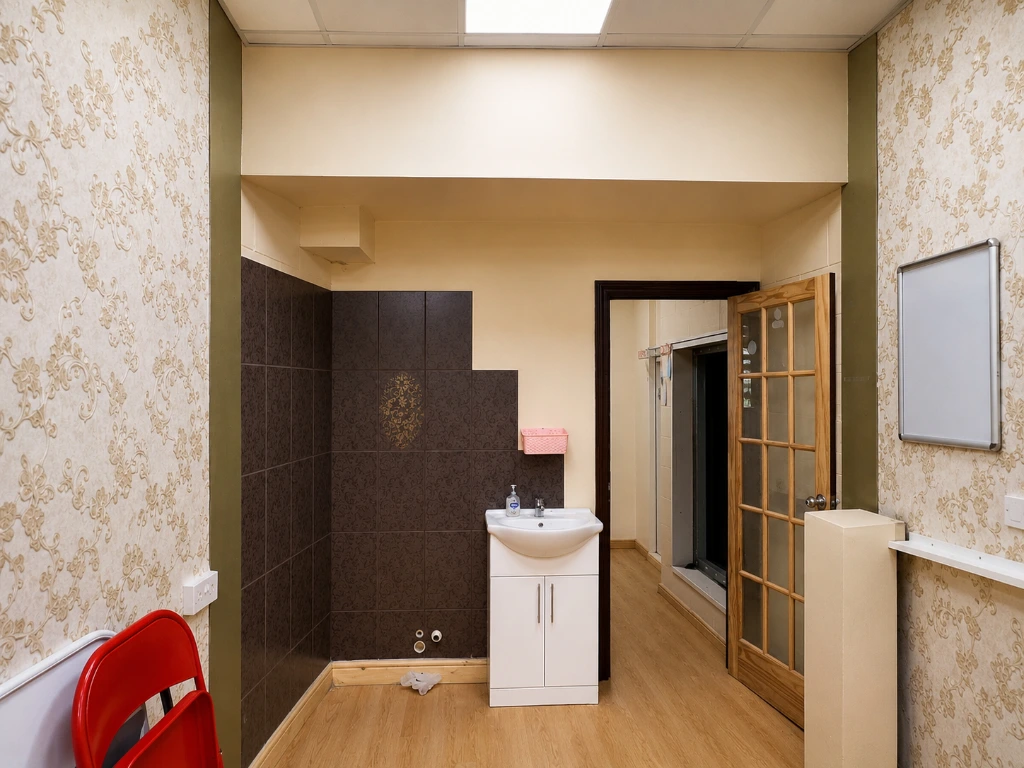
The existing space had several obstacles:
- A former nail salon layout that wasn’t suitable for food service.
- An unusual triangular floor plan that made space planning difficult.
- Low ceilings and awkward architectural features.
- Existing finishes that didn’t align with the new brand direction.
- A limited budget that required careful spending and creative problem-solving.
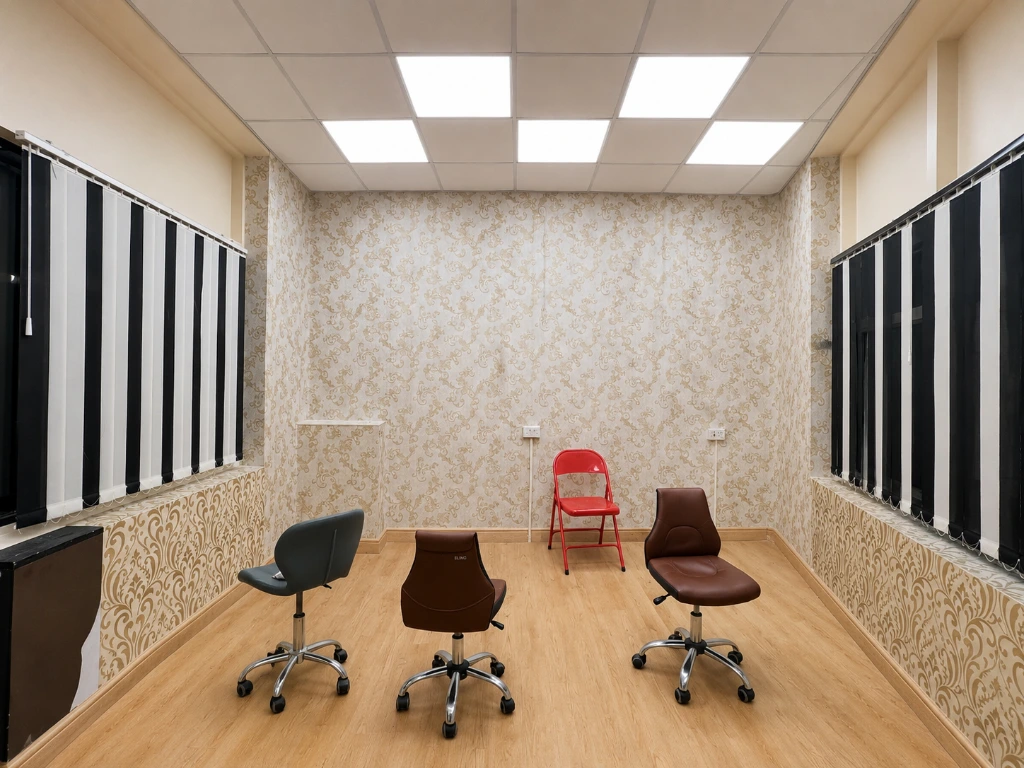
The goal was simple:
Create a beautiful dessert destination that felt inviting, memorable, and highly shareable without spending a fortune.
Understanding the Brand First
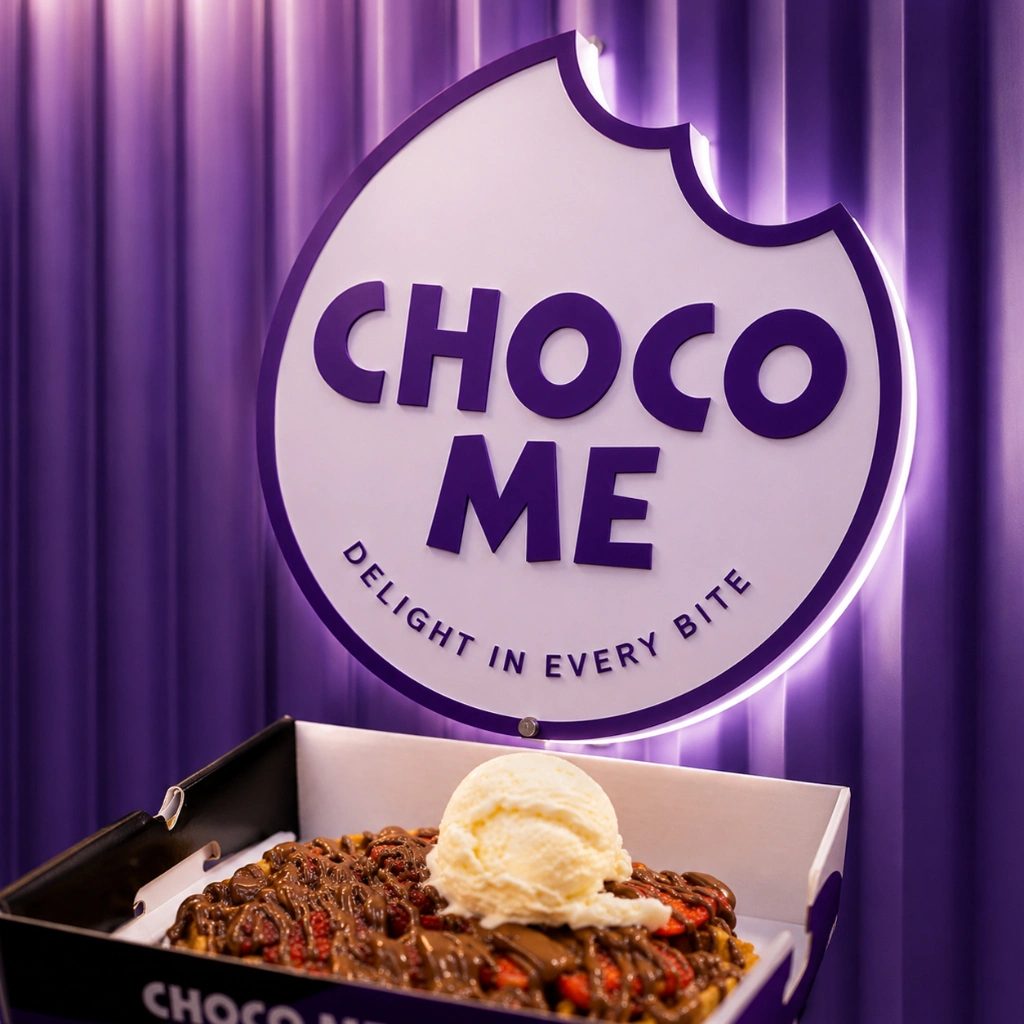
Before touching the interiors, we focused on understanding the business itself.
The dessert brand needed to feel:
- Fun
- Modern
- Youthful
- Memorable
- Premium without appearing expensive
We developed the brand identity, logo, and visual direction alongside the interior concept.
The chosen brand colour was purple, which became the foundation of the entire design strategy.
Purple represented:
- Creativity
- Indulgence
- Luxury
- Playfulness
Most importantly, it differentiated the business from traditional dessert shops that often rely on pinks, browns, or neutral palettes.
Every design decision was then aligned with this colour story.
The Space Planning Challenge
The triangular shape of the unit was perhaps the most difficult aspect of the project.
Unlike rectangular retail spaces, triangular layouts can easily feel awkward and inefficient.
Rather than fighting the shape, we decided to embrace it.
We carefully mapped:
- Customer flow
- Ordering points
- Product display zones
- Staff working areas
- Storage opportunities
Every inch of the space needed a purpose.
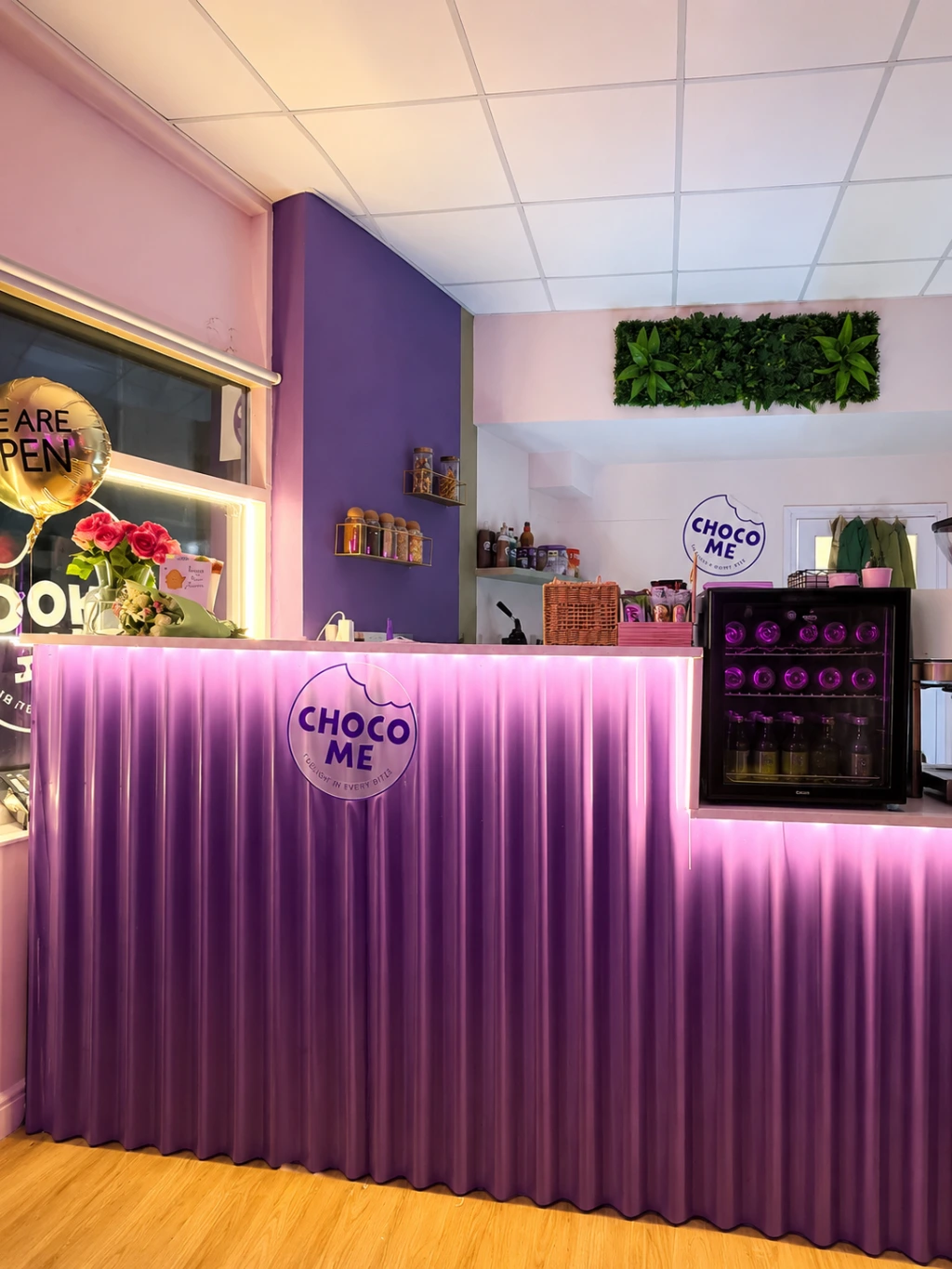
The counter became the focal point of the shop, strategically positioned to guide customers naturally through the space while maximising visibility of the products.
The result was a layout that felt intentional rather than constrained.
Designing on a Tight Budget
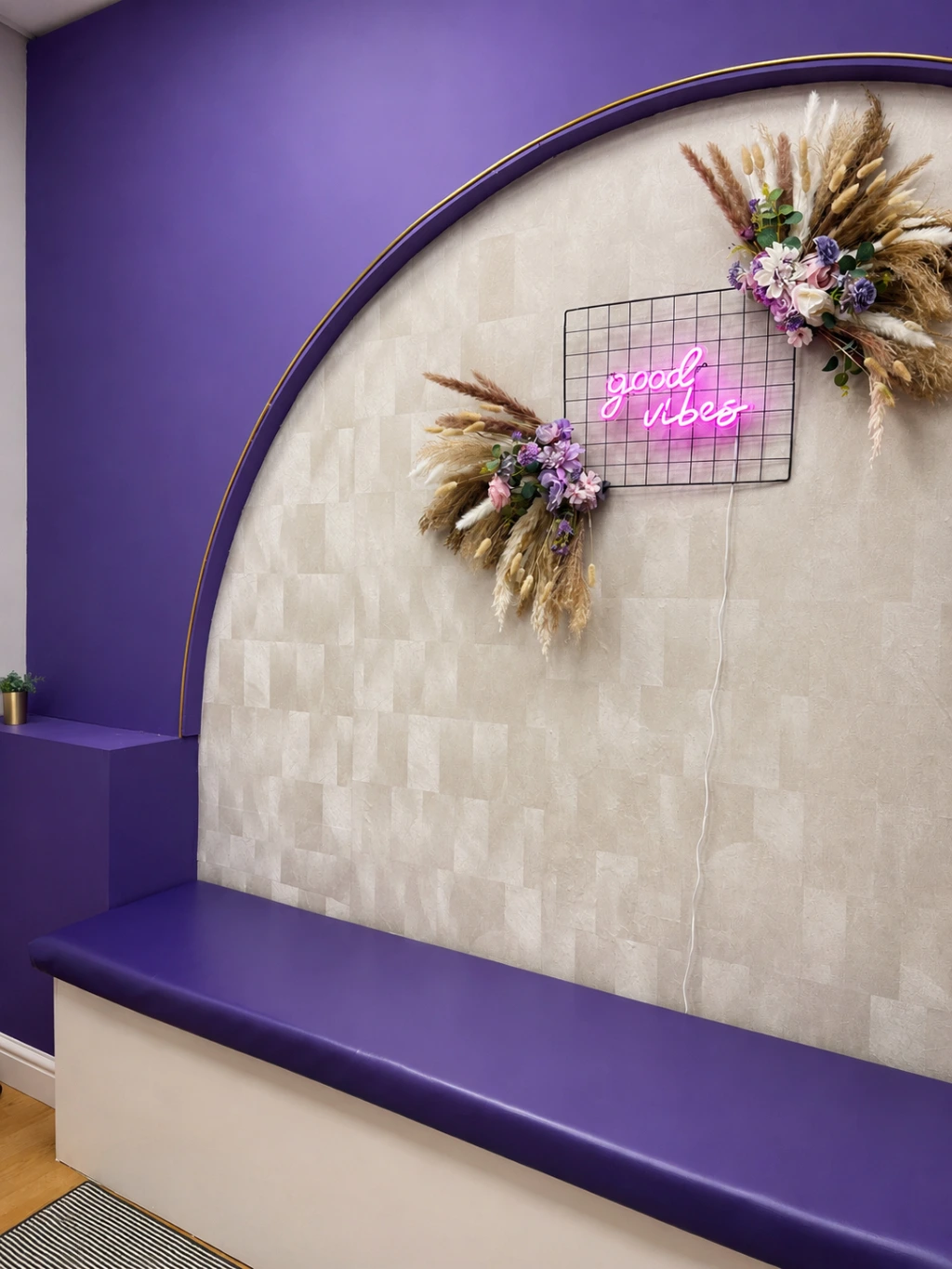
One of the biggest lessons from this project was that good design is not about spending more.
It’s about spending wisely.
Instead of investing in expensive bespoke elements throughout the shop, we prioritised high-impact features that would create the strongest visual transformation.
Our Budget Strategy
1. Retain What We Could
Rather than stripping everything back and starting from scratch, we evaluated every existing element.
We asked:
- Can it stay?
- Can it be refreshed?
- Can it be disguised?
Keeping selected existing features saved significant costs that could be redirected elsewhere.
2. Invest in Visual Impact
Customers remember atmosphere more than materials.
Instead of expensive finishes, we focused on:
- Lighting
- Colour
- Branding
- Texture
These elements delivered the biggest transformation for the lowest cost.
3. Choose Affordable, Replaceable Materials
For a food business, practicality matters just as much as aesthetics.
We selected materials that were:
- Cost-effective
- Easy to maintain
- Easy to replace if damaged
- Commercially practical
- Visually appealing
This approach reduced initial costs while also lowering future maintenance expenses.
The Statement Counter
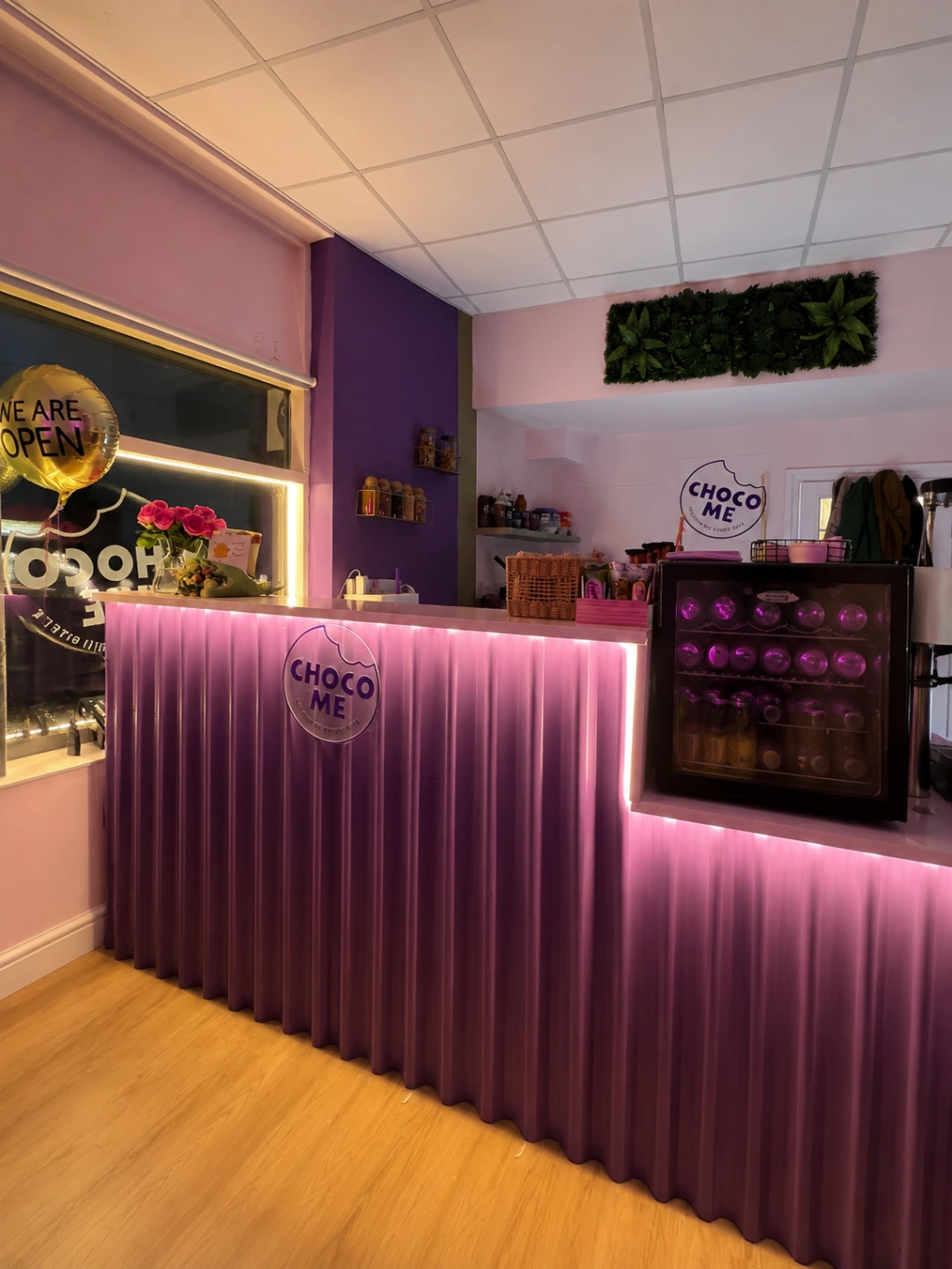
The hero element of the project became the front counter.
Instead of an expensive bespoke joinery solution, we created visual impact using:
- Curved fluted detailing
- Strategic lighting
- Strong brand colours
- Clean lines
The purple feature counter immediately became the centrepiece of the shop.
The integrated lighting transformed the appearance of the entire space, especially during evening trading hours.
It created a premium feel without requiring premium spending.
More importantly, it gave customers an immediate visual connection to the brand from the moment they entered the shop.
Colour Psychology and Atmosphere
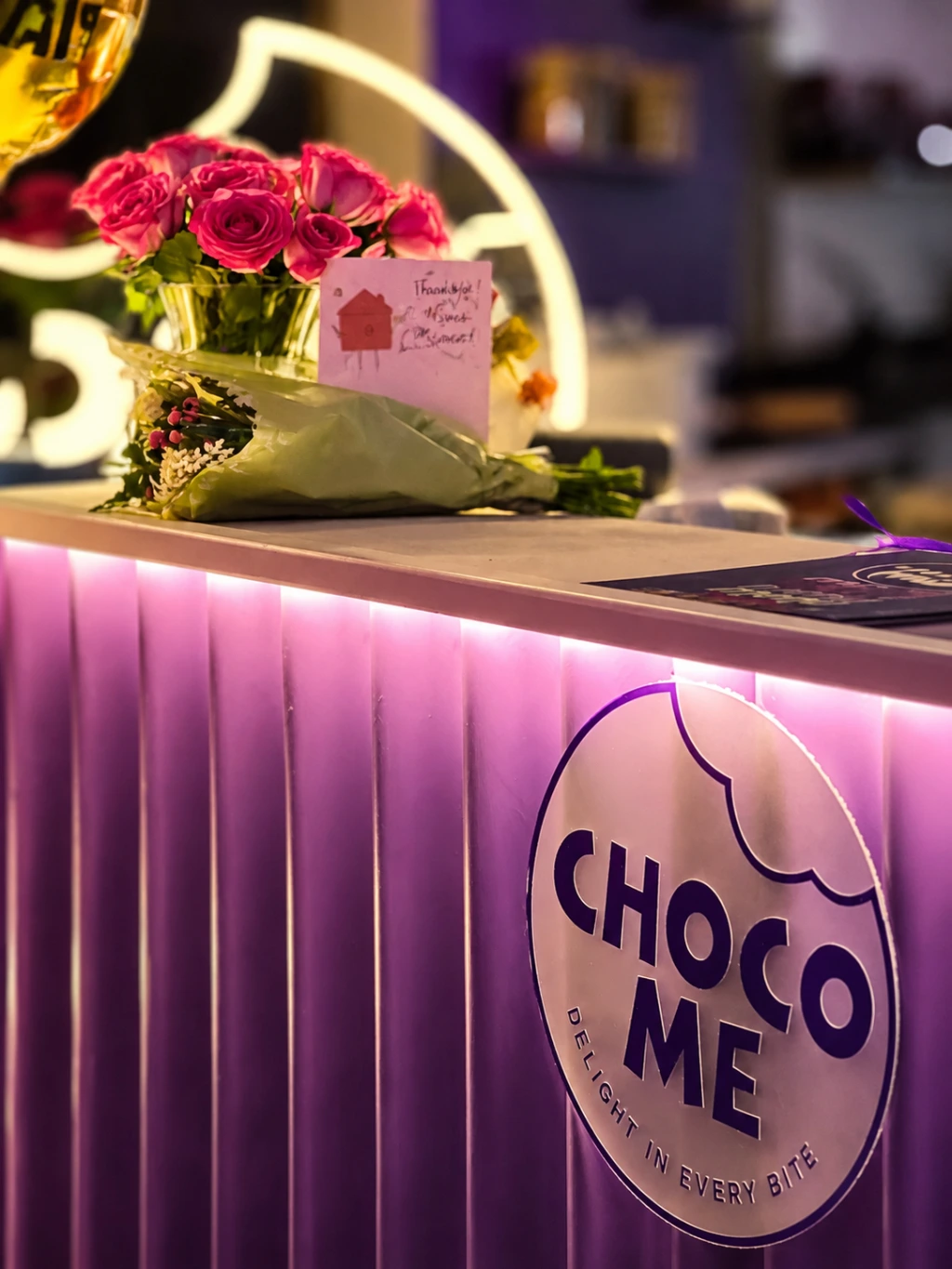
Colour was one of the most important tools in this project.
The original space felt disconnected and dated.
The new colour palette introduced:
- Rich purples
- Soft pink tones
- Warm lighting
- Neutral supporting colours
Together, these colours created a dessert environment that felt indulgent and inviting.
The palette also reinforced the brand identity at every touchpoint.
Customers immediately connected the interior with the logo and overall branding, creating a cohesive experience.
Creating Instagram-Worthy Moments
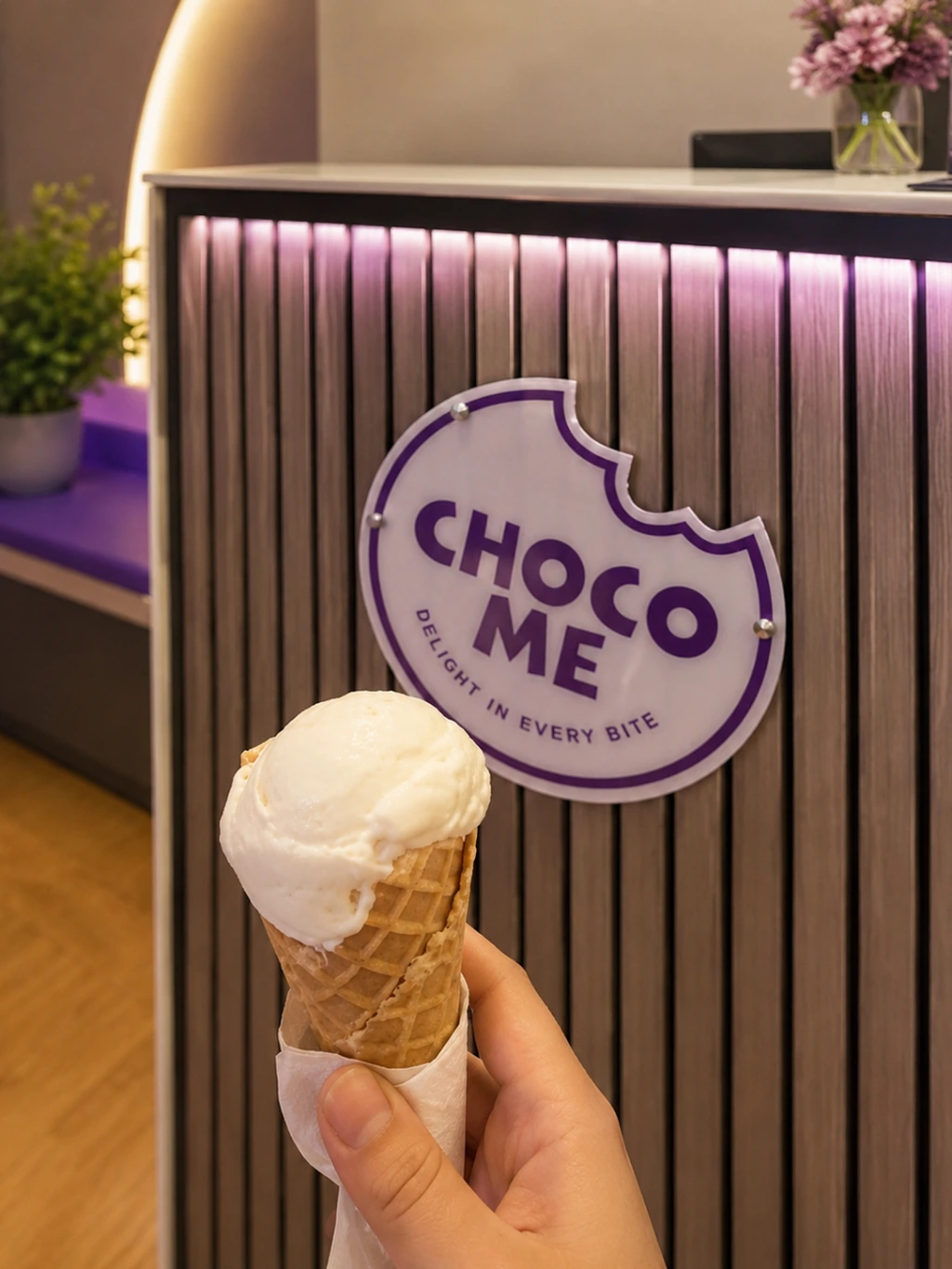
Modern dessert shops are no longer just places to buy food.
They are social spaces.
We intentionally designed visual moments that encouraged customers to:
- Take photos
- Share on social media
- Tag the business
- Promote the brand organically
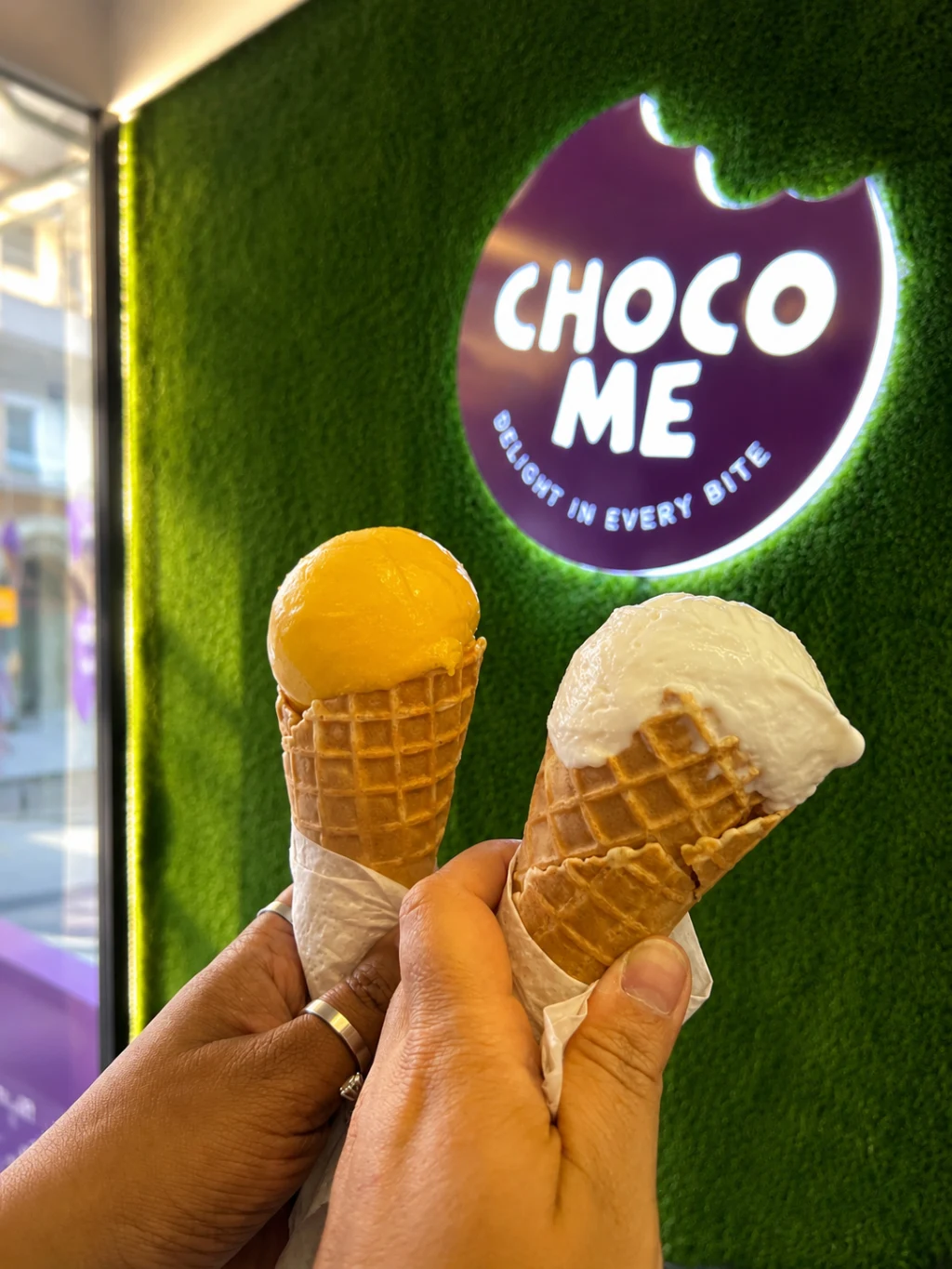
This was achieved through:
- Feature lighting
- Bold colour blocking
- Branded focal points
- Layered textures
- Clean visual composition
The result was a space that naturally marketed itself.
Smart Design Decisions That Saved Money
Throughout the project, every decision was carefully evaluated against the budget.
Some examples included:
Decorative Wall Features
Rather than expensive wall cladding systems, we used affordable decorative finishes strategically where they would have the greatest visual impact.
Lighting Over Luxury Materials
Instead of premium surface finishes, we invested in lighting.
Good lighting can make affordable materials look expensive.
Poor lighting can make expensive materials look cheap.
Selective Feature Areas
Not every wall needed to be a statement.
By focusing attention on key zones, we achieved a stronger overall design while spending less.
Multipurpose Design Elements
Where possible, every feature had more than one purpose:
- Branding
- Decoration
- Customer experience
- Wayfinding
This maximised the value of every pound spent.
The Final Result
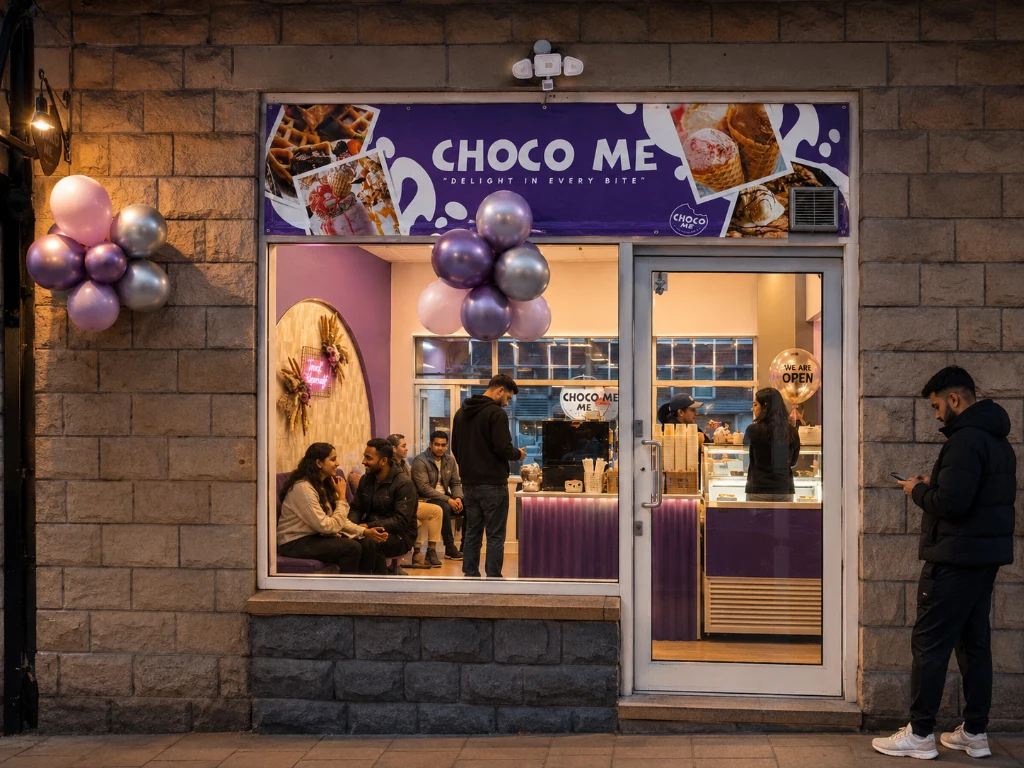
The completed space bears little resemblance to its former life as a nail salon.
What was once a tired nail salon emerged as a vibrant dessert destination that feels fresh, modern, and welcoming.
Most importantly:
- The design stayed within budget.
- The space functioned efficiently.
- The brand identity remained strong.
- The client loved the result.
The project proved that creativity can often achieve more than a large budget.
Lessons Learned
This project reinforced several principles that continue to shape our approach to commercial interiors:
Design Around the Constraints
The triangular layout initially felt like a limitation, but ultimately became part of the shop’s character.
Focus on Customer Experience
People remember how a space makes them feel more than how much money was spent on it.
Branding and Interiors Must Work Together
The strongest retail environments tell one consistent story.
Budget Doesn’t Limit Creativity
Some of the most effective design solutions came from finding smarter, more economical alternatives.
Designing Beyond Constraints
Every project comes with constraints. In this case, it was an unconventional floor plan, an existing fit-out that wasn't designed for hospitality, and a carefully managed budget.
Rather than treating these limitations as obstacles, they became the framework for the design strategy.
Through thoughtful space planning, a strong visual identity, strategic lighting, and carefully prioritised spending, Choco Me was transformed into a destination that feels distinctive, welcoming, and commercially effective.
The project stands as a reminder that successful interiors are rarely defined by how much is spent. They are defined by how intelligently every design decision supports the customer experience, the brand, and the business behind it.