
There was a time when flooring served a simple purpose: it was something we walked on. Today, it has become one of the defining elements of interior design, shaping how a room feels, functions, and connects with the architecture around it.
As homes continue to evolve, so too do the materials beneath our feet. Modern flooring combines durability, comfort, and practicality with a level of design sophistication that was once reserved for bespoke interiors. Advanced manufacturing techniques now allow contemporary flooring to recreate the character of natural timber, stone, and decorative tiles with remarkable realism, while offering benefits that suit modern lifestyles.
Interestingly, many of the most sought-after flooring trends draw inspiration from the past. Victorian homes, celebrated for their intricate detailing and craftsmanship, continue to influence contemporary interiors through classic patterns such as herringbone, parquet, and decorative tile layouts. Reimagined with modern materials and installation methods, these historic styles are finding new relevance in both period properties and newly designed homes.
Today’s flooring is no longer just a backdrop. It plays a central role in defining atmosphere, supporting everyday life, and bringing together tradition and innovation in a way that feels both timeless and entirely contemporary.
The Changing Role of Flooring in Interior Design
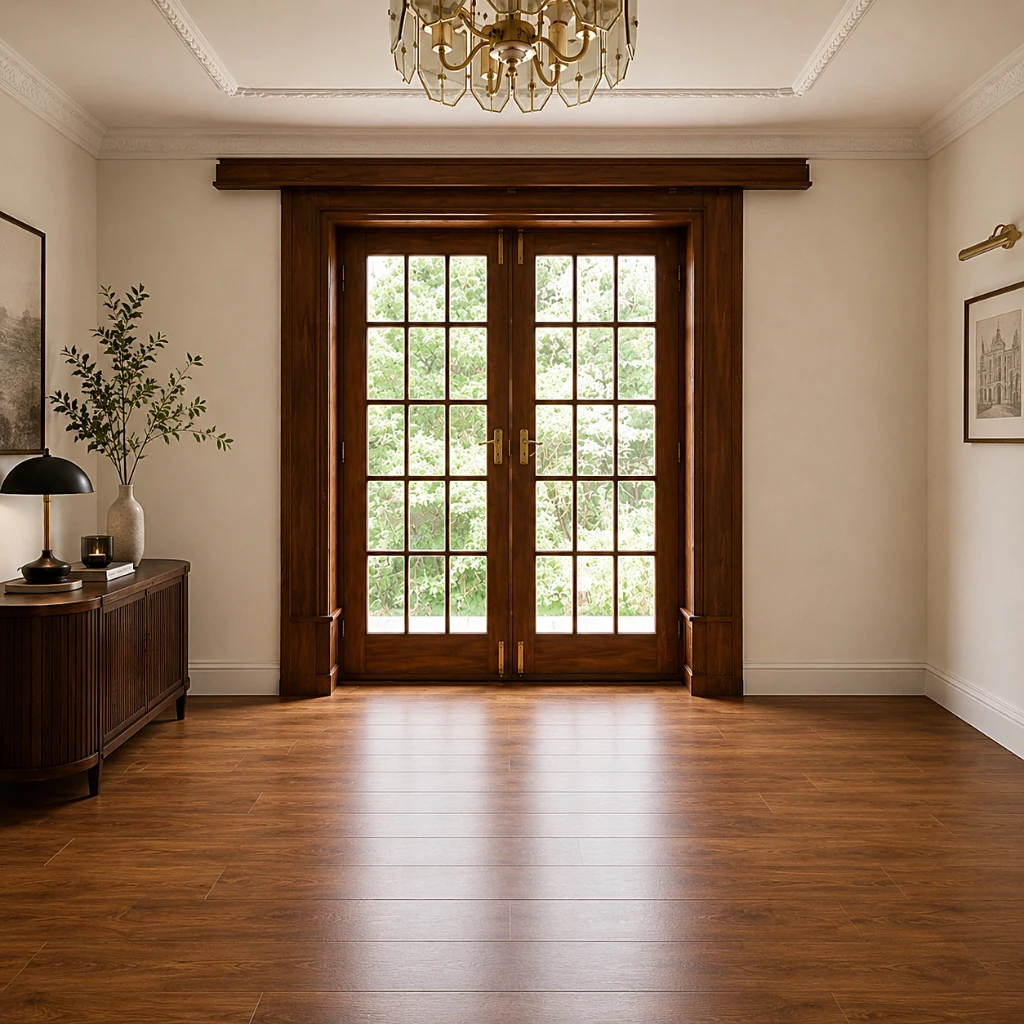
Flooring has become one of the most influential design decisions within a home. Beyond providing a practical surface, it establishes visual continuity between rooms, influences how natural light is reflected, and contributes significantly to the overall character of an interior.
Designers increasingly treat flooring as an architectural feature rather than a finishing detail. The choice of pattern, colour, texture, and material can dramatically alter the perception of space, making rooms feel larger, warmer, more elegant, or more contemporary.
This shift has encouraged homeowners to invest in flooring solutions that balance aesthetics with everyday functionality. The result is a growing demand for materials that can withstand modern lifestyles without compromising on visual appeal.
For homeowners undertaking renovations or new-build projects, thoughtful flooring selection is often one of the most important foundations of a well-designed interior. The right flooring choice can influence the look and feel of an entire space, which is why it forms an important part of our approach to residential and commercial interior design.
Why Victorian Patterns Continue to Inspire Modern Homes
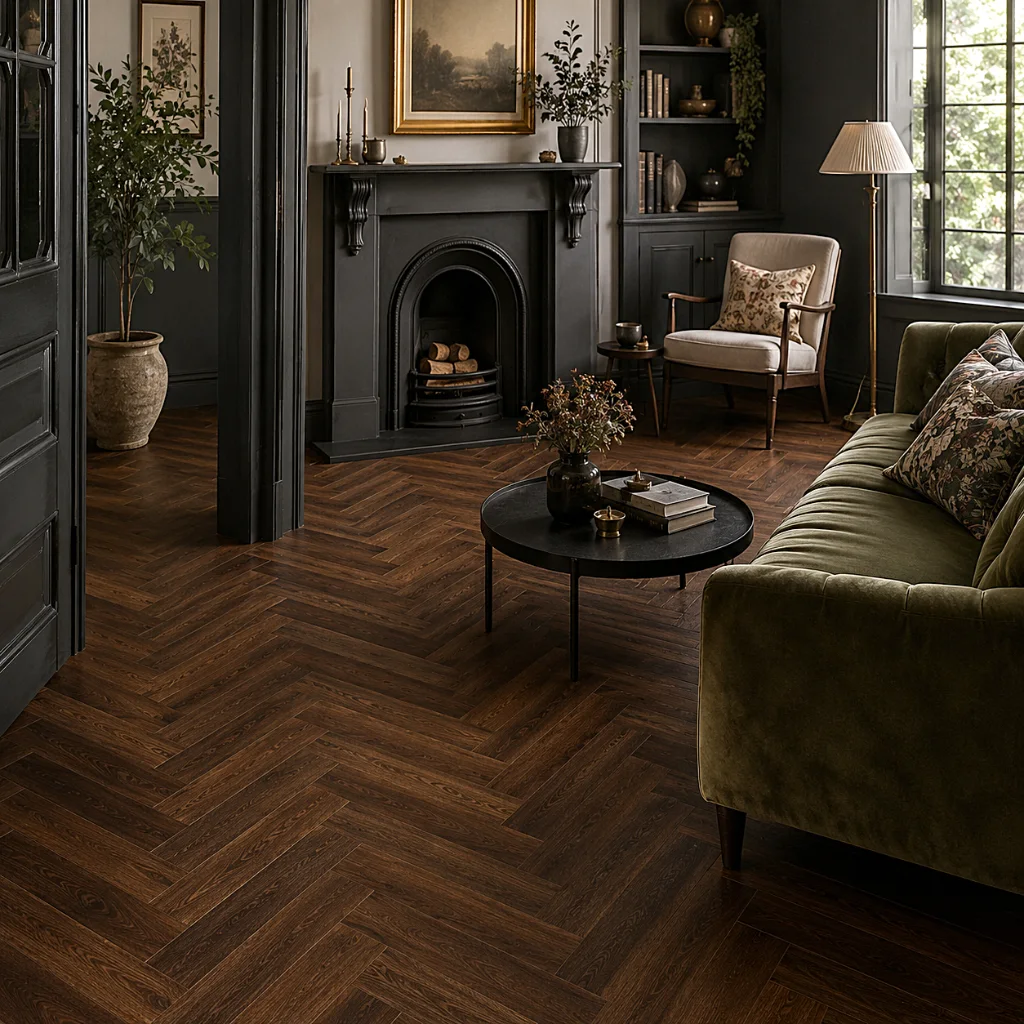
Few design periods have had a lasting influence quite like the Victorian era. Characterised by craftsmanship, decorative detailing, and carefully considered proportions, Victorian interiors continue to inspire contemporary designers.
Among the most enduring elements of Victorian design are its flooring patterns. Herringbone layouts, parquet installations, and decorative tile arrangements bring rhythm and visual interest to a room while creating a sense of permanence and refinement.
What makes these patterns particularly relevant today is their versatility. They complement both traditional and contemporary interiors, allowing homeowners to introduce heritage-inspired details without creating spaces that feel overly formal or dated.
Modern interpretations maintain the elegance of these historic designs while adapting them to contemporary lifestyles, creating interiors that feel layered, welcoming, and timeless.
The Rise of Multi-Layered Resilient Flooring
While design often captures attention first, performance has become equally important.
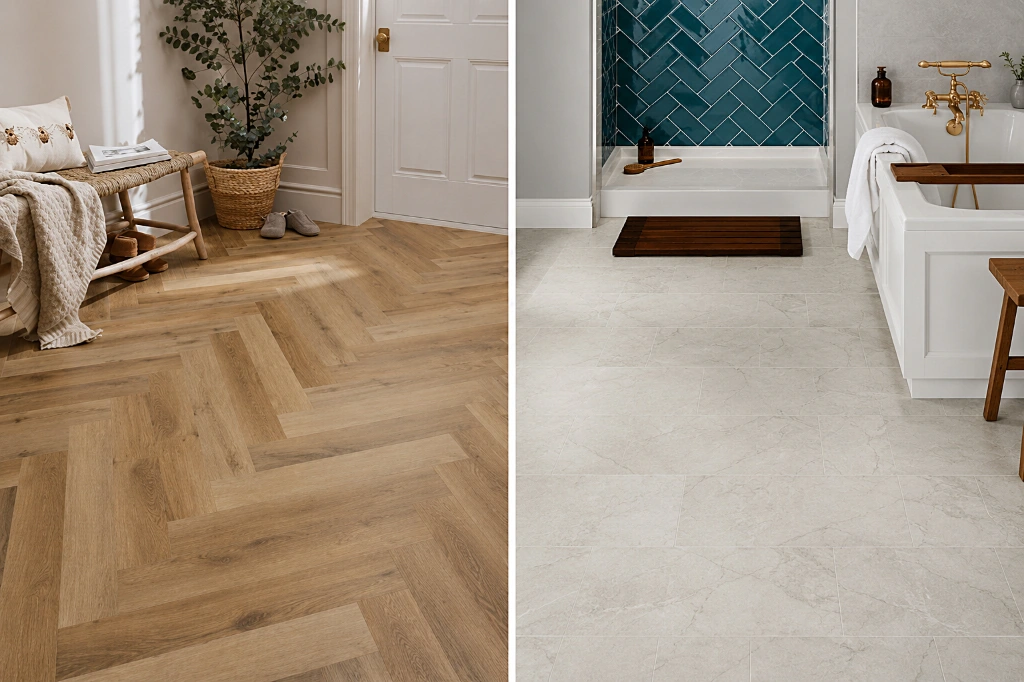
One of the most significant developments in recent years has been the introduction of multi-layered resilient flooring systems. Engineered with durable wear layers, realistic decorative surfaces, and robust backing structures, these floors are designed to cope with the demands of modern living.
Unlike traditional materials that may require regular maintenance or be vulnerable to moisture, many contemporary flooring solutions are highly resistant to scratches, dents, stains, and water exposure. This makes them particularly suitable for busy family homes where durability is just as important as appearance.
The technology behind these materials allows homeowners to enjoy the look of natural timber or stone while benefiting from enhanced longevity and simplified maintenance.
Bringing Character into Everyday Spaces
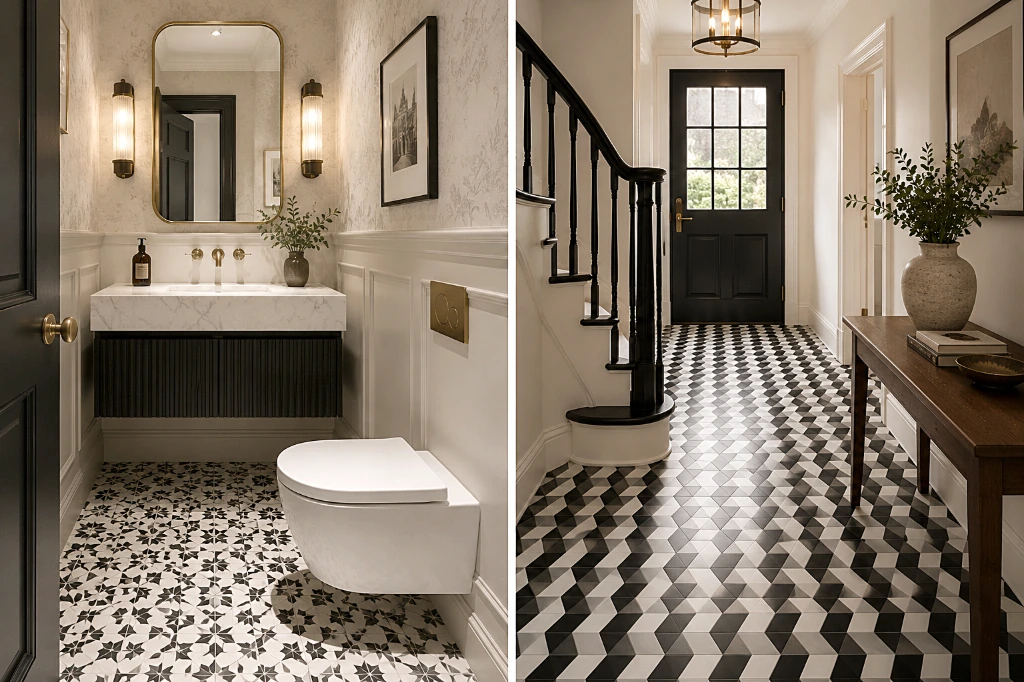
The influence of flooring extends beyond living rooms and hallways. Increasingly, designers are using decorative flooring to add personality to smaller and often overlooked areas of the home.
Powder rooms, entrance halls, utility spaces, and reading corners offer opportunities to introduce pattern, texture, and contrast. Decorative tile effects inspired by Victorian encaustic flooring can transform compact spaces into memorable design moments, while geometric layouts create visual impact without overwhelming the room.
Thoughtfully selected flooring helps connect different areas of a home while allowing each space to develop its own identity.
Realistic Wood and Stone Effects Without the Maintenance
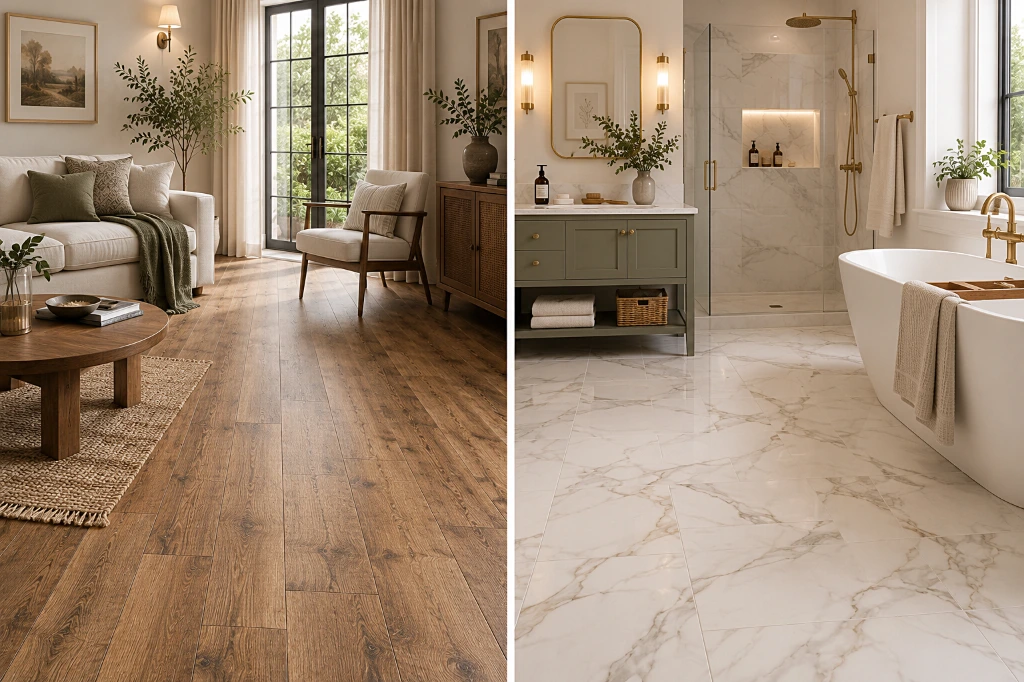
One of the most impressive achievements of contemporary flooring technology is its ability to replicate natural materials with exceptional accuracy.
Advanced printing and embossing techniques recreate the grain patterns of oak, walnut, and other hardwoods, while stone-inspired finishes capture the texture and depth associated with marble, limestone, and slate.
For homeowners, this provides the best of both worlds. They can achieve the visual warmth of timber or the sophistication of stone without the ongoing maintenance often associated with natural materials. There is no need for specialist treatments, extensive sealing, or frequent refinishing.
The result is a flooring solution that delivers lasting beauty while supporting the practical realities of modern living.
Designed for Contemporary Living
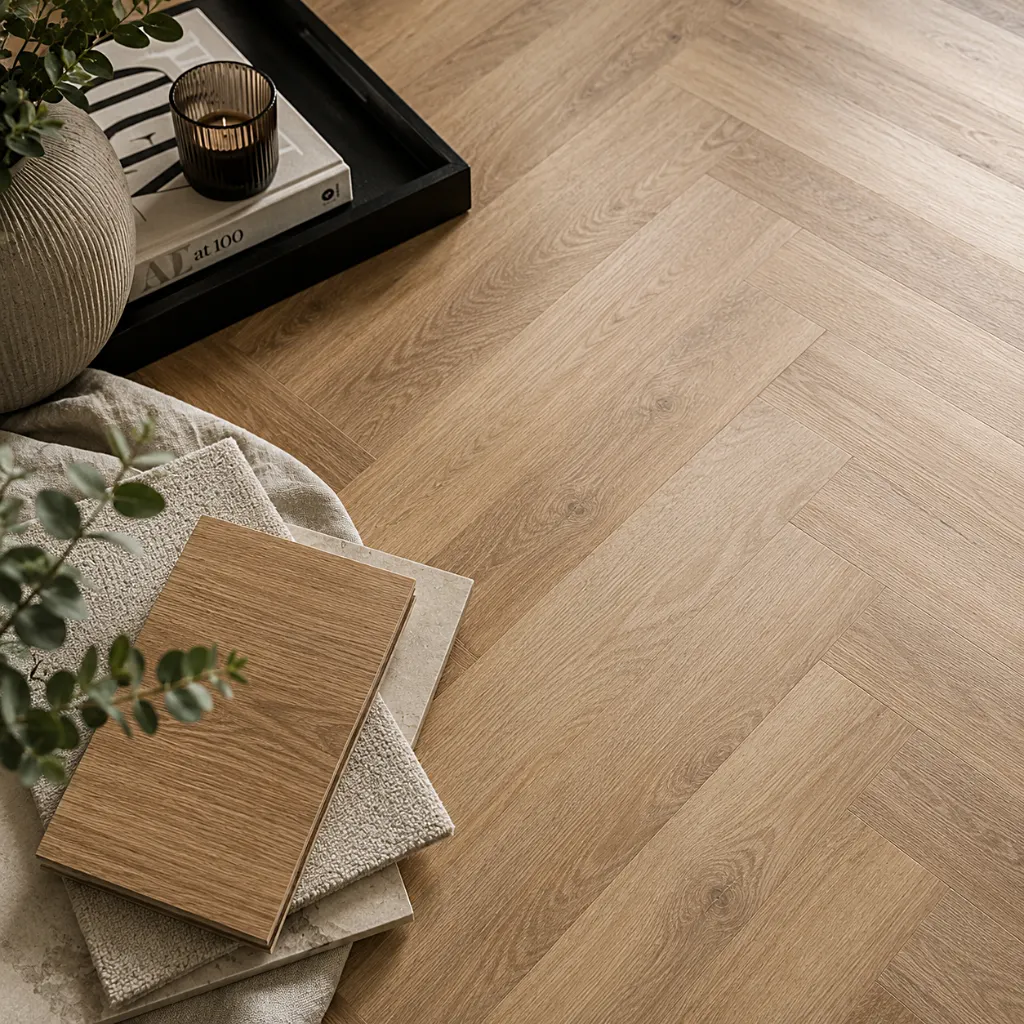
Modern flooring has been developed with everyday convenience in mind.
Many products now feature click-lock installation systems that allow planks or tiles to fit together efficiently, reducing installation time and disruption. In certain situations, new flooring can even be installed directly over existing surfaces, simplifying renovation projects.
Compatibility with underfloor heating has also become an important consideration. Many contemporary flooring materials conduct heat efficiently, helping to create comfortable interiors while supporting energy-conscious living.
Additional benefits such as improved acoustic performance and enhanced underfoot comfort contribute to quieter, more comfortable homes that are better suited to modern lifestyles.
Many contemporary flooring options are also designed with sustainability in mind, incorporating recyclable materials and responsible manufacturing processes without compromising on style or performance.
Flooring as a Foundation for Individual Style
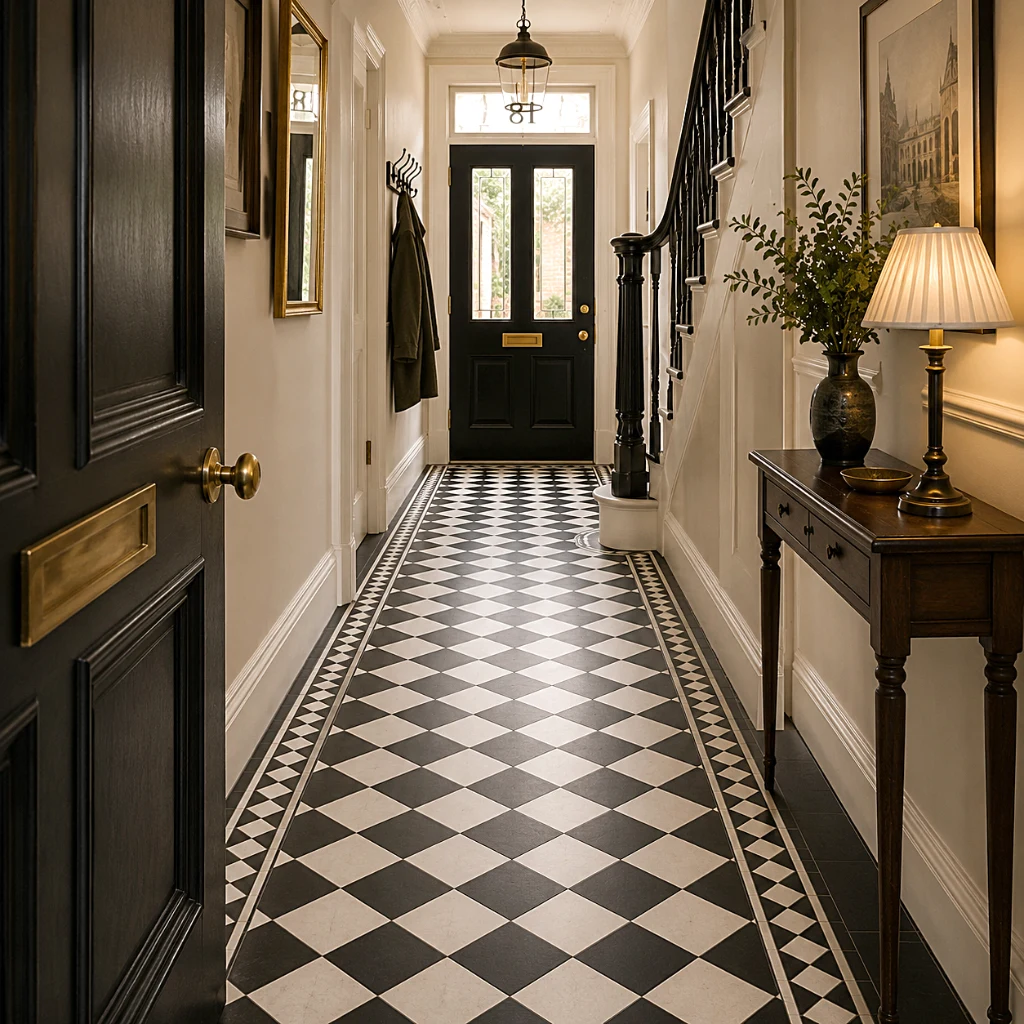
Perhaps the greatest advantage of today’s flooring options is the creative freedom they provide.
Whether the goal is to create a minimalist contemporary interior, a characterful period-inspired home, or a space that combines influences from different design eras, flooring can act as the unifying element that ties everything together.
Designers now have access to an extraordinary range of finishes, formats, colours, and patterns, allowing flooring to be tailored to the specific needs of each project. Heritage-inspired layouts can be paired with contemporary furnishings, while modern materials can be used to recreate the atmosphere of traditional interiors.
The most successful spaces often begin from the ground up. Flooring establishes the tone of a room, influences how other materials are perceived, and provides a foundation upon which every other design decision is built.
More Than a Surface
The evolution of flooring reflects a broader shift in interior design—one that values beauty and practicality in equal measure. By combining the elegance of historic patterns with the performance of contemporary materials, today’s flooring solutions offer an approach that feels entirely suited to modern living. Whether inspired by Victorian craftsmanship, natural materials, or contemporary innovation, flooring has become far more than a functional surface.
It now plays a central role in shaping atmosphere, defining character, and bringing cohesion to a home. As technology continues to advance and design trends evolve, the most enduring flooring choices will remain those that successfully balance timeless aesthetics with everyday practicality—creating interiors that feel both beautiful and effortlessly livable.
Much like the principles behind quiet luxury interiors, the most successful flooring choices often prioritise longevity, craftsmanship and understated elegance over short-lived trends.